Starting Solids Guide

Starting Solids, finally in one place.

A research-backed online guide to introducing solids: 64 foods, organized by age, with allergen flags, benefits, safe-serving instructions.

One-time payment · Instant access
4.8·1,000+ parent ratings on Baby RecipesAllergen awareSecure checkoutInstant access
64
Foods covered
6
Age groups (6+ to 24+ mo)
15
Food categories
9
Common allergens flagged

What's in the guide

  • A complete online guide covering 64 first foods, accessible from any phone, tablet, or computer.
  • Each food includes: recommended starting age, food category, allergen status, health benefits, and how to introduce safely.
  • Filterable by age range (6+, 7+, 8+, 9+, 12+, 24+ months) — find what your baby is ready for in seconds.
  • A dedicated allergen view covering the most common pediatric allergens.
  • Written in plain English, no medical jargon.

A look inside — 3 foods from the guide

3 of 64 entries

Each food in the guide is laid out exactly like the samples below — same structure, same depth, plus the foods-by-age and allergen indexes.

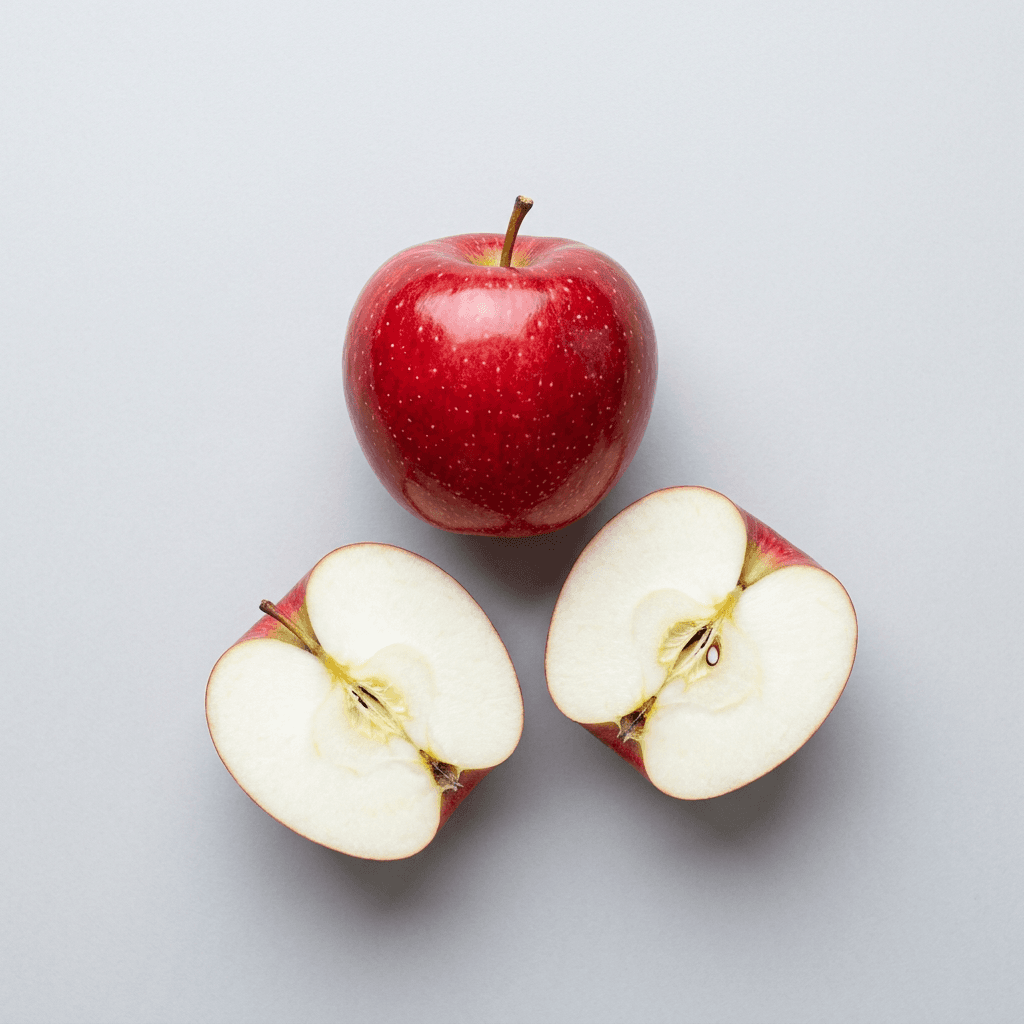
Apple

Apple

6+ monthsFruit

Benefits

Apples are one of the healthiest fruits for baby food, rich in vitamins and minerals.

They are easily digestible and provide many benefits for a growing body.

The rich composition of apples includes:

  • Vitamins: A, E, B-group, ascorbic acid
  • Minerals: potassium, calcium, magnesium, iron, zinc
  • Other substances: pectins, fiber, antioxidants

Apples strengthen the immune system, improve digestion, cleanse the body of toxins, prevent anemia, support heart and vascular function, and strengthen teeth and gums.

How to introduce

Do not give raw apples with skin, peeled whole apples, or slices to "scratch" the gums — there is a very high risk of choking.

Apples can be introduced at the beginning of weaning.

You can bake or boil them and serve as a puree, and after offering them in a heat-treated form, you can offer them raw by finely grating the fresh apple or processing it in a blender.
Tomato

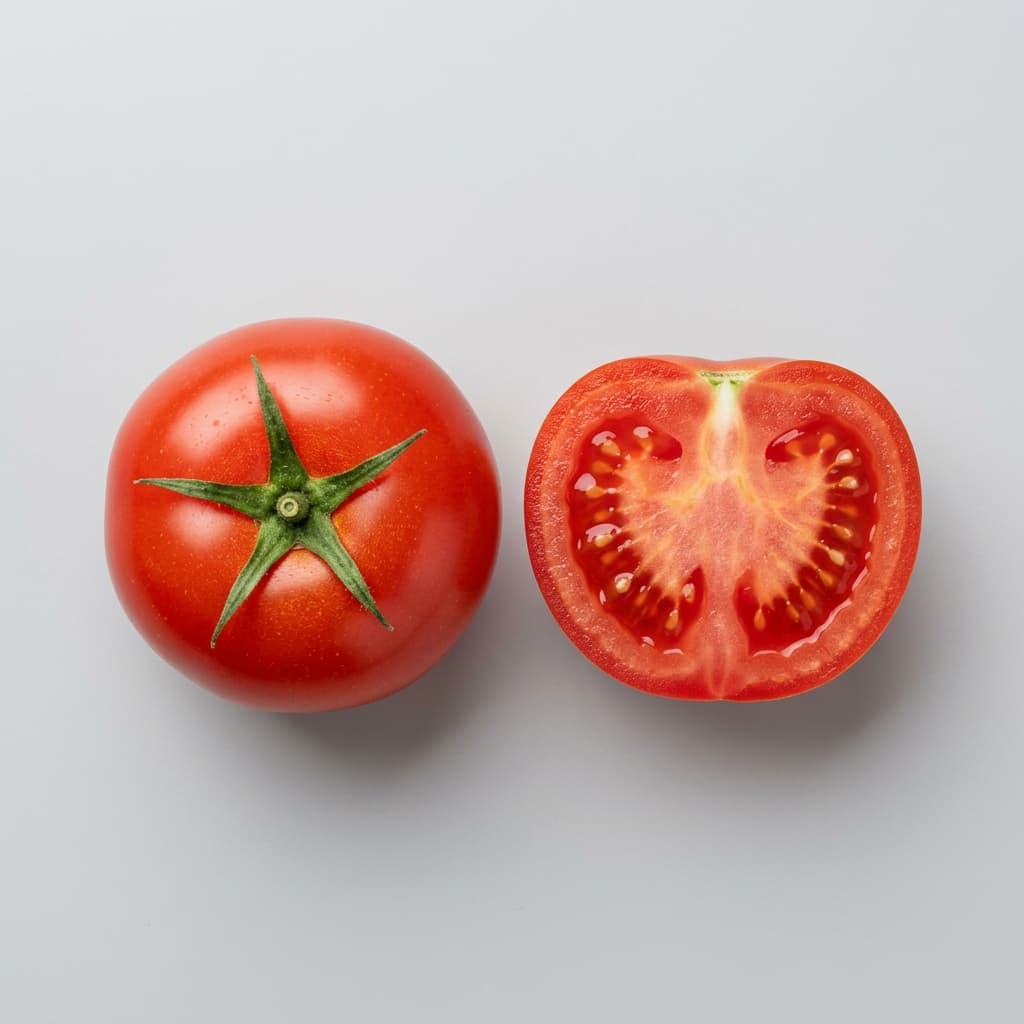
Tomato

6+ monthsVegetable

Benefits

The rich composition makes tomatoes an essential product in a child's diet.

They contain:

  • Vitamins A and C
  • Minerals: potassium, magnesium, calcium, iron, zinc
  • Lycopene — a natural antioxidant
  • Serotonin
  • Fiber and organic acids

They contribute to support of the cardiovascular system, bone growth, hematopoiesis, antiseptic effect, and vision support.

How to introduce

Can be introduced from 6 months, when the baby is ready for solid food.

You can start with small, soft pieces. Pour boiling water over the tomato and peel off the skin. Cut the pulp into small pieces that you can easily crush between your fingers. Offer the baby a tiny portion.

Once the tomato has been introduced, you can safely add it to dishes, various casseroles, and more.

Important: tomatoes must be cut into 4 parts to avoid choking.

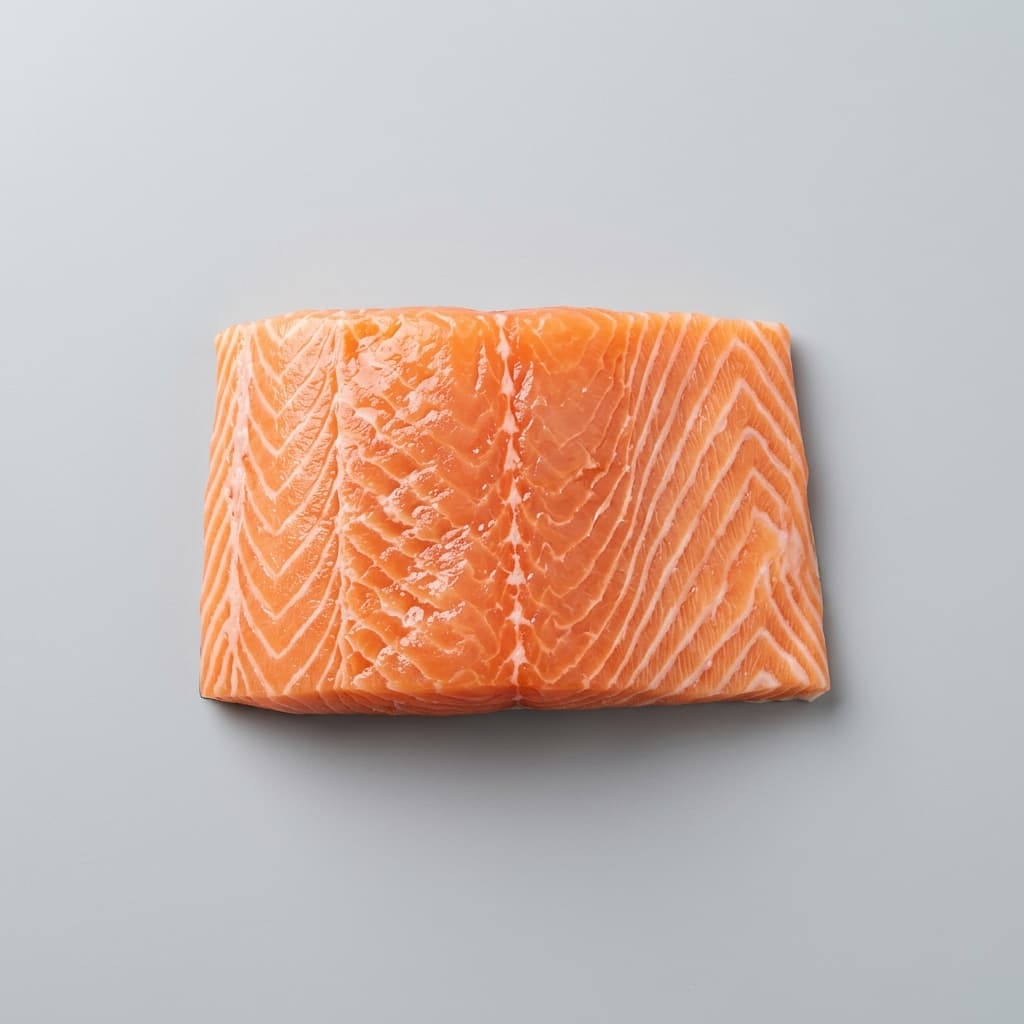
Red Fish

Red Fish

6+ monthsFishCommon allergen

Allergens: Fish

Benefits

Red fish is a valuable food product, especially important for a growing body. It contains unique substances that are difficult to obtain from other sources.

Key beneficial properties:

  • Omega-3 acids — promote brain development, improve memory and concentration
  • Easily digestible protein — necessary for growth and tissue development
  • Vitamins A, D, B12 — support immunity and strengthen the skeletal system
  • Minerals (iodine, selenium, zinc) — important for thyroid function and general development

Red fish is an indispensable product in children's nutrition, but it is important to exercise caution when introducing it and monitor the quality of the product.

How to introduce

The introduction of red fish should begin with small portions, carefully observing the body's reaction.

Rules for safe introduction:

  1. Start with half a teaspoon.
  2. Give in the first half of the day.
  3. Monitor the body's reaction.
  4. Stop temporarily if an allergy appears.
  5. Alternate with other types of fish.

Recommended cooking methods for introduction: boiling, steaming, baking without oil.

Avoid smoked, salted, and pickled fish.

For introduction, fatty cold-water fish and wild-caught varieties are ideal — for example, wild pink salmon, which has a very low mercury content.

61 more foods inside.

The full guide covers every food, age range, and allergen — $14.99 one-time.

Who it's for

  • Parents introducing solids for the first time (typically 4–6 months and up).
  • Caregivers who want one printable reference instead of scattered web pages.
  • Families who prefer reading a structured guide over scrolling endless articles.

FAQ

How is the guide delivered?+

After purchase you receive a private link to the online guide. Open it on any phone, tablet, or computer — bookmark it and come back any time.

Is this medical advice?+

No. The guide is educational reference material based on widely accepted infant nutrition practices. For decisions specific to your child, always consult your pediatrician.

Do you offer a refund?+

Yes — 14-day no-questions-asked refund. If the guide isn't useful for you, just email us within 14 days of purchase.

Is the content in English?+

Yes. The guide is written in English. The underlying Baby Recipes mobile app supports additional languages, but this online guide is English-only.

Who wrote this?+

The same team behind the Baby Recipes mobile app — built and maintained by Daniil Gerasimenko and Alyona Volzhanina. The food entries are drawn from the same content library that powers the app, with over 1,000 user ratings.

Get the full 64-food guide

One-time payment, instant access from any device. Backed by a 14-day no-questions-asked refund.